
Please Choose Your Language
Views: 0 Author: Site Editor Publish Time: 2026-03-12 Origin: Site
Babies chew toys every day. Are they always safe? Many parents now look for non toxic baby toys that reduce chemical exposure and support healthy growth. Toys stay close to a baby’s mouth and skin for hours, so safe materials matter from the very beginning.
In this guide, we explain how to identify safer toys and which materials parents trust most. We will also look at examples such as baby products from WEHAND TOYS that focus on safer play design. By the end, you will understand how to choose toys that support both safety and early development.
Non toxic baby toys are toys made without harmful chemicals such as BPA, phthalates, lead, or PVC. These chemicals are sometimes used in cheap plastics or coatings to reduce production costs, but they are not necessary for safe play. Instead, safer toys rely on materials like solid wood, organic cotton, natural rubber, and food-grade silicone. These materials provide durability and safety while minimizing chemical exposure.
Parents often assume that toys labeled “safe” automatically meet high standards. However, responsible toy design requires more than marketing claims. It depends on clear material descriptions, reliable production processes, and transparent testing. Many manufacturers that specialize in baby-safe toys focus on these details to ensure their products support safe daily play.
Babies are more vulnerable to chemical exposure because their bodies are still developing. Their skin is thinner, their immune systems are not fully mature, and they often place objects directly in their mouths. These factors mean substances that may seem harmless to adults can affect babies more easily. For this reason, choosing chemical free baby toys can significantly reduce unnecessary exposure during the early stages of growth.
Parents who prioritize the best non toxic baby toys for infants often focus on simplicity. Toys made from fewer materials and fewer coatings generally present fewer potential risks. This approach allows babies to explore freely without adding unnecessary chemicals to their environment.
Babies learn about their surroundings through their senses. Mouthing objects is a natural way for them to understand texture, temperature, and shape. This behavior supports sensory development and helps strengthen early motor skills. Because toys spend so much time in a baby’s mouth, material safety becomes a critical factor when selecting products.
Simple toys made from stable materials are usually the safest option. Non toxic sensory toys for babies often rely on texture, shape, and movement rather than complex electronic features. These designs allow babies to explore safely while encouraging natural learning.
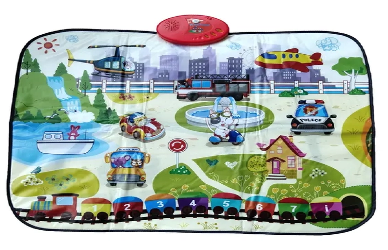
Many conventional toys use plastic materials that may release chemicals when exposed to heat, saliva, or repeated handling. Over time, these substances can transfer from the toy to the baby. Choosing chemical free baby toys helps reduce this exposure while allowing babies to play safely.
Safer toys often rely on durable natural materials that maintain their stability during everyday use. Wooden baby toys with safe finishes, organic fabric toys, and food-grade silicone teethers provide reliable alternatives that parents can trust.
Healthy development depends on both safe materials and meaningful play experiences. The best non toxic baby toys for infants encourage babies to touch, grasp, and explore their environment. Simple toys such as stacking rings, grasping rattles, and soft sensory objects help babies develop coordination and curiosity.
These toys also support early cognitive growth. When babies interact with physical objects, they begin to understand cause and effect, balance, and spatial relationships. Natural toys often provide richer sensory feedback than electronic toys, which helps babies stay engaged longer.
Choosing safer toys can also improve the overall home environment. Toys are often placed on floors, carried in diaper bags, and used during feeding or rest times. When toys are made from safer materials, parents can feel more confident allowing babies to explore independently.
Some baby products also support early physical development. For example, baby playmats produced by companies like WEHAND TOYS are designed with soft cushioning layers and sensory-friendly surfaces. These designs support activities such as tummy time, crawling practice, and early movement exploration.
Wood is one of the safest materials used in baby toys when properly processed. Solid hardwood toys are durable, smooth, and easy to maintain. When finished with natural oils or beeswax, they avoid the chemical coatings often found on plastic toys. Wooden toys are also strong enough to withstand frequent use, which makes them a long-lasting option for early childhood play.
Organic cotton is commonly used in plush toys, soft rattles, and fabric books. Unlike conventional cotton, organic cotton is grown without pesticides and processed without harsh chemical treatments. This makes it ideal for babies who often press toys against their skin and mouth. Organic cotton toys also provide a gentle texture that supports sensory exploration.
Natural rubber is frequently used in teething toys because it is flexible and easy for babies to chew. The material comes from rubber tree sap and does not require the synthetic additives commonly used in plastic products. Natural rubber teethers can help soothe sore gums while remaining safe for repeated use.
Food-grade silicone has become a popular option for baby toys because it is durable and easy to clean. It does not break down easily when exposed to heat or saliva, which makes it suitable for teethers and stacking toys. Silicone toys are also dishwasher safe, making them convenient for busy parents.
Material | Key Benefits | Common Toy Types |
Solid Wood | Durable and naturally stable | Blocks, stackers |
Organic Cotton | Soft and breathable | Plush toys |
Natural Rubber | Flexible and chew-safe | Teething toys |
Food-grade Silicone | Easy to clean and long lasting | Stacking cups |
Teething toys help soothe sore gums while babies develop early chewing habits. Natural rubber and silicone teethers are commonly recommended because they provide gentle resistance without releasing harmful chemicals.
Sensory toys encourage babies to explore textures, sounds, and shapes. These toys stimulate curiosity while supporting early brain development. Non toxic sensory toys for babies often use wood, cotton, or silicone to provide safe tactile experiences.
Organic plush toys provide comfort and emotional support during early development. Babies often use these toys during rest or quiet playtime. Choosing organic materials ensures these items remain safe even when babies chew or cuddle them.
Wooden toys such as stacking rings and shape sorters help babies develop coordination and problem-solving skills. These toys rely on simple mechanical interaction rather than electronics, which allows babies to focus on physical exploration and creativity.
Toy Type | Development Benefit | Suitable Age |
Teethers | Gum relief and chewing practice | 3+ months |
Sensory toys | Texture and sound exploration | 0–12 months |
Plush toys | Comfort and bonding | 0+ months |
Wooden toys | Motor skills and coordination | 6+ months |
Many toys include certifications that indicate compliance with safety testing standards. Certifications such as EN71, ASTM, and CE show that the product has been tested for potential hazards. While these certifications do not guarantee perfection, they provide useful information when comparing products.
Reliable brands clearly state the materials used in their toys. Transparency helps parents understand whether a toy contains natural or synthetic components. Products that clearly list materials are generally more trustworthy than those that rely on vague marketing claims.
A strong chemical odor often indicates the presence of synthetic coatings or volatile compounds. Safe toys usually have little or no smell because they rely on stable natural materials.
Choosing established manufacturers can reduce uncertainty. Companies that specialize in baby-safe toys often maintain strict quality control and follow international safety standards. Some suppliers, including WEHAND TOYS, focus on producing toys that meet global export safety regulations and testing requirements.
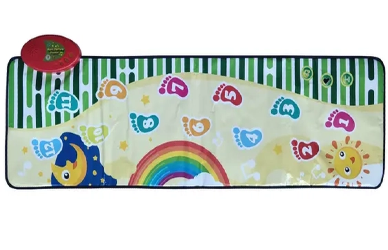
Safer materials reduce unnecessary exposure to potentially harmful substances. When babies interact with toys made from stable natural materials, parents can feel more confident about everyday playtime.
Eco friendly baby toys safe materials often come from renewable sources. Wood, cotton, and natural rubber can break down more easily than conventional plastic products, which helps reduce environmental waste.
High-quality toys made from durable materials tend to last longer. Instead of breaking after a few months, they can remain useful throughout early childhood and sometimes even be passed down to younger siblings.
Benefit | Explanation |
Health protection | Reduces chemical exposure |
Environmental impact | Uses renewable materials |
Durability | Longer product lifespan |
Safe baby toys use simple materials like wood, cotton, rubber, and silicone. They help babies chew, explore, and learn with less chemical risk. Choosing trusted makers improves safety and quality. Products from WEHAND TOYS offer reliable baby toy solutions that support early development and safe everyday play.
A: Non toxic baby toys avoid harmful chemicals like BPA and PVC. Safe options include wood, organic cotton, natural rubber, and food-grade silicone.
A: Babies chew toys often. Non toxic baby toys reduce chemical exposure and support safer sensory play and development.
A: Many parents prefer wooden baby toys with safe finish. They are durable, simple, and often safer than cheap plastic toys.
A: Look for chemical free baby toys, clear materials, and trusted brands offering non toxic sensory toys for babies.