
Please Choose Your Language
Views: 0 Author: Site Editor Publish Time: 2026-01-22 Origin: Site
Are you wondering when to introduce a play mat to your baby? Play mats are essential for early childhood development. In this article, we will explore the appropriate age for using a play mat, especially a musical mat. You'll learn about the benefits and key features to consider when choosing the right one.
A play mat is a specially designed surface for babies and toddlers to play on. Its primary purpose is to provide a safe, comfortable area for infants to explore their surroundings. Play mats come in various styles, each tailored to different developmental needs.
Among these, musical mats stand out. These mats often feature built-in sounds or music that can engage a child's auditory senses while they play. Other types include standard mats, which are primarily cushioned surfaces without interactive elements.
Type of Play Mat | Features |
Standard Mat | Soft padding, easy to clean, basic design |
Musical Mat | Sound features, encourages movement, interactive |
Using a play mat offers numerous advantages for your child's development. First, it promotes physical development. When babies lie on a play mat, they strengthen their motor skills as they kick, roll, and eventually crawl. This physical activity builds muscle strength and coordination.
Additionally, play mats provide essential sensory stimulation. The vibrant colors and textures engage a child's visual and tactile senses. Musical mats enhance this experience by introducing auditory elements, making playtime more engaging. Infants are often drawn to sounds, which can encourage them to reach out and explore.
Safety is another critical benefit. A play mat protects babies from hard surfaces, reducing the risk of bumps and bruises during play. This safety feature allows parents to relax while their little ones explore freely.
Play mats also foster independent play and exploration. When placed on a mat, babies can interact with toys and their environment, promoting self-discovery. This independence is vital for building confidence as they learn to navigate their surroundings.
Finally, a play mat creates an environment of emotional security. The familiar space helps infants feel safe as they explore. This sense of comfort can ease anxiety and promote positive associations with playtime.
In summary, play mats are not just soft surfaces; they are essential tools for growth and development. Whether you choose a standard mat or a musical mat, these products offer a range of benefits that support your child's early learning experiences.
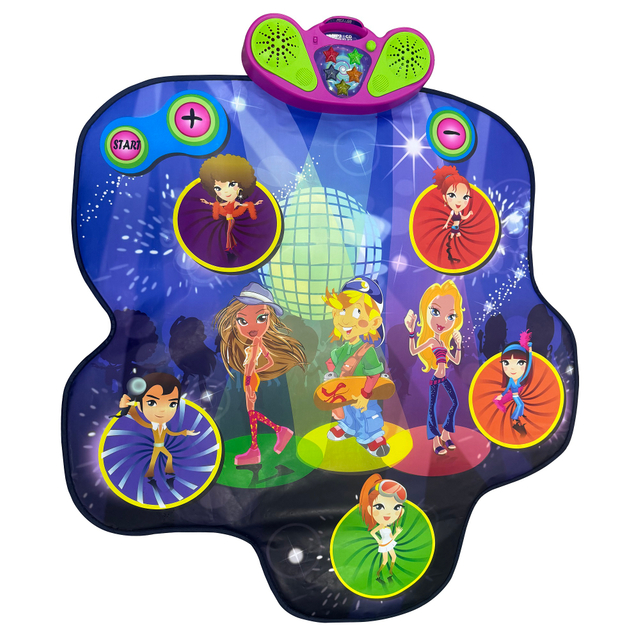
Introducing a play mat early is crucial for your newborn's development. During these first few months, babies spend most of their time on their backs, engaging in essential activities like tummy time. Tummy time is vital as it helps strengthen neck and shoulder muscles, laying the foundation for future milestones such as rolling and crawling. A musical mat can greatly enhance this experience by providing auditory stimulation, encouraging babies to lift their heads and explore their surroundings.
Recommended activities during this stage include gentle sensory exploration. Parents can place colorful toys or mirrors on the mat to captivate their infant's attention. These visual stimuli not only keep babies engaged but also encourage them to reach out and grasp objects, promoting hand-eye coordination. Supervised playtime on the mat is essential, ensuring safety while allowing babies to discover new movements.
As babies reach the 3 to 6-month mark, they hit significant developmental milestones. This is when they start reaching for toys, rolling over, and even attempting to sit up. A play mat supports these movements by providing a soft and safe surface. Musical mats play a vital role here; the sounds can encourage babies to reach out and engage more actively. The combination of sound and movement stimulates both auditory and motor skills.
To enhance playtime, consider adding toys that promote interaction. For example, toys that crinkle, rattle, or have mirrors can stimulate curiosity and keep babies entertained. These engaging toys, paired with a play mat, create an ideal environment for babies to develop their motor skills. It’s also an excellent time for parents to join in, encouraging their little ones to explore different movements and sounds together.
Between 6 to 12 months, babies transition to more active play. At this stage, they begin crawling and sitting independently, making the choice of a non-slip surface on the play mat crucial. A stable mat prevents slipping and provides safety as they explore their newfound mobility. Parents should look for mats that offer a good grip to ensure their babies can move safely without accidents.
Musical mats can significantly enhance playtime and learning during this phase. The interactive elements, such as buttons that produce sounds or lights, motivate babies to move and explore. Engaging with toys placed on the mat further develops their fine motor skills and coordination. Activities like pushing toys, pulling themselves up, or even dancing to music on the mat can all contribute to their physical development.
Age Range | Key Activities | Recommended Features |
Newborn to 3M | Tummy time, sensory exploration | Soft padding, musical elements |
3 to 6 Months | Reaching, rolling | Interactive toys, sound stimulation |
6 to 12 Months | Crawling, sitting | Non-slip surface, engaging features |
Once your child reaches 12 months, the use of play mats continues to be beneficial. Toddlers can still enjoy the comfort of a mat while engaging in various activities like reading, imaginative play, or even a cozy spot for napping. Musical mats remain versatile, adapting to your child's evolving interests. They can serve as a foundation for creative play, where children can pretend to be on an adventure or have a picnic.
When choosing a musical mat for older children, consider features like durability and design. Look for mats that can withstand active play and are easy to clean. Toddlers can be messy, so mats that are machine washable or easily wiped down will save parents time and effort. The right mat will continue to provide a safe and engaging environment as your child grows and explores new activities.
Play mats can evolve alongside your child's interests, ensuring they remain a valuable part of their playtime routine. Whether it’s for play, learning, or relaxation, a good play mat will adapt to your child’s developmental needs, making it a worthwhile investment for any parent.
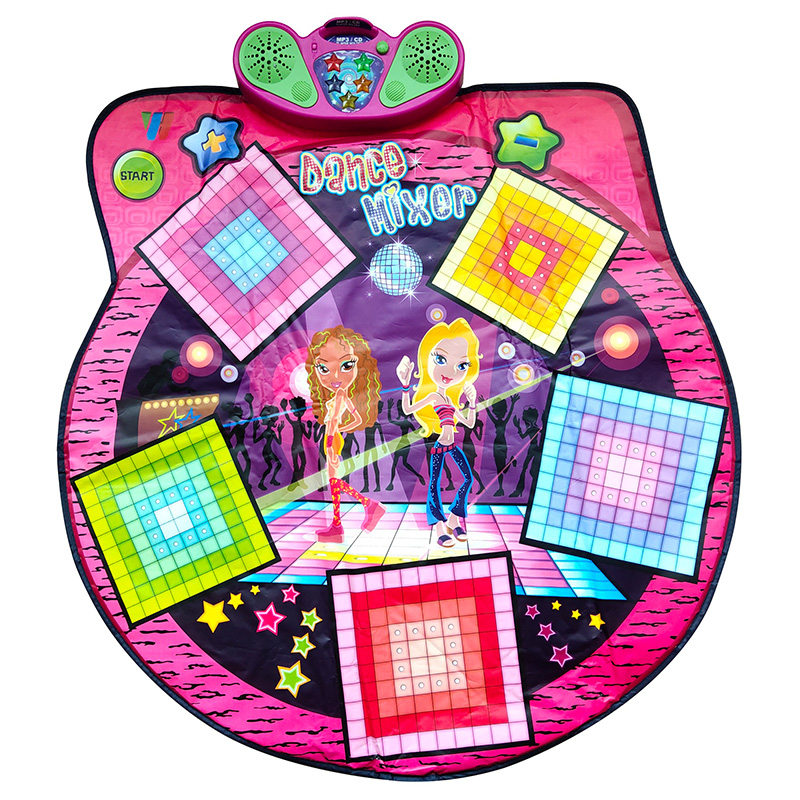
When selecting a play mat, several key features should be at the forefront of your decision-making process. Material safety is paramount. Look for mats made from non-toxic, BPA-free materials to ensure your child's safety during playtime. This is especially important as infants often explore their environment by putting objects in their mouths.
Another essential feature is the thickness and padding of the mat. A thicker mat provides better cushioning, which protects your baby from hard surfaces. This added comfort is vital during activities like tummy time and crawling.
Cleaning is also a significant consideration. Choose play mats with easy-to-clean surfaces. Many mats are designed to be wiped down or machine washable, making it simple to maintain hygiene.
For those considering a musical mat, interactive elements are a fantastic addition. Look for mats that include sounds, lights, or textures to engage your child’s senses. These features can stimulate curiosity and encourage movement, making playtime more enjoyable.
Additionally, consider reversible designs. A mat that features different patterns or colors on each side offers aesthetic appeal and versatility. This means you can change the look of the play area without needing to buy a new mat.
Choosing a play mat with an age-appropriate design is crucial for both safety and usability. For example, mats designed for younger infants often have softer edges and lower profiles to reduce the risk of accidents. As children grow, their needs change, and so should the design of their play mat.
Age-appropriate features in musical mats may include larger buttons for toddlers to press or more complex sounds that engage older children. These elements ensure that the mat remains relevant and stimulating as your child develops.
Durability is another critical consideration. Look for mats made from high-quality materials that can withstand regular use. A well-constructed mat should last through various stages of your child's growth, from infancy to toddlerhood.
Feature | Importance |
Material Safety | Ensures child safety during play |
Thickness and Padding | Provides comfort and protection from hard surfaces |
Easy-to-Clean | Maintains hygiene for frequent use |
Interactive Elements | Engages senses and encourages movement |
Reversible Designs | Offers versatility and aesthetic appeal |
In summary, the right play mat should cater to your child's developmental needs while ensuring safety and comfort. By considering these features and the importance of design, you can choose a play mat that will provide a fun and secure environment for your little one.
Maintaining a clean play mat is essential for your child's health and safety. Regular cleaning helps eliminate germs and allergens that can accumulate over time. Most play mats are designed to be easy to clean, but here are some tips to ensure they stay fresh and hygienic:
● Wipe Down Regularly: Use a damp cloth and mild soap to wipe down the surface of the mat after each use. This quick routine can prevent buildup and keep it looking new.
● Machine Washable Mats: If your mat is machine washable, follow the manufacturer’s instructions for washing and drying. Typically, a gentle cycle with cold water is best to preserve colors and materials.
Proper storage of your play mat can extend its lifespan. Here are some effective storage tips:
● Roll It Up: If your mat is large, rolling it up when not in use can prevent creases and damage. Secure it with straps or ties to keep it compact.
● Designated Storage Area: Create a specific spot in your home for the play mat. This not only keeps it organized but also makes it easy to access for playtime.
Before each use, it’s important to perform a quick safety check on the play mat:
● Inspect for Damage: Look for any tears, fraying edges, or loose parts that could pose a risk to your child. If you find any issues, consider repairing or replacing the mat.
● Check for Slippage: Ensure that the mat remains in place during play. If it tends to slide, consider adding a non-slip backing or placing it on a carpeted surface for added stability.
To maximize the benefits of your play mat, consider these engaging play ideas:
● Themed Play Sessions: Set up themed play sessions based on your child’s interests. For example, a “nature day” with stuffed animals and leaves can spark imaginative play.
● Interactive Games: Incorporate games that involve movement, such as “Simon Says” or obstacle courses using toys and cushions around the mat. These activities enhance physical development while keeping playtime fun.
By following these maintenance and care tips, you can ensure that your play mat remains a safe, clean, and engaging space for your child's growth and development.
Choosing the right play mat is essential for your child's development. It provides a safe, comfortable space for play and exploration. A musical mat can enhance these experiences by encouraging movement and engagement. Supporting child development through play is vital, and products from Wehand Toys offer unique features that promote safety and fun. Their mats are designed to evolve with your child's needs, ensuring lasting value in every play session.
A: A play mat is suitable for newborns, starting as early as birth, to support tummy time and sensory exploration.
A: A musical mat provides auditory stimulation, encouraging movement and engagement, which is crucial for development.
A: Transition to a musical mat around 3 to 6 months, when your baby begins reaching for toys and exploring sounds.
A: Tummy time on a play mat strengthens neck and shoulder muscles, laying the foundation for milestones like rolling and crawling.
A: Yes, musical mats designed for infants are made from non-toxic materials, ensuring a safe play environment for your child.