
Please Choose Your Language
Views: 0 Author: Site Editor Publish Time: 2026-01-21 Origin: Site
Are you wondering when your child can start using a piano mat? These interactive musical mats are more than just toys; they play a crucial role in early childhood development. In this post, we'll explore the appropriate age for introducing a piano mat and its benefits for young learners. You'll discover how to choose the right mat for your child's age and developmental stage.
A piano mat is an interactive musical surface designed for children to explore music through play. Typically large and colorful, these mats simulate a piano keyboard when stepped on or touched. Made from soft, durable materials like vinyl or polyester, they are easy to clean and safe for little ones.
● Size: Most piano mats measure around 4 feet by 1.5 feet, providing ample space for children to move freely.
● Materials: High-quality mats are made from non-toxic, waterproof materials that withstand spills and heavy foot traffic.
● Sound Production: They usually feature built-in speakers that produce clear, realistic sounds, mimicking a traditional piano.
Type of Piano Mat | Description | Example Features |
Basic Sound Mats | Entry-level mats with simple sound generation. | Lightweight, affordable, minimal features. |
Educational Mats | Designed for structured learning with curriculum content. | Note labeling, volume control. |
App-Connected Smart Mats | Syncs with devices for interactive lessons. | Gamified lessons, progress tracking. |
Piano mats offer a range of developmental benefits for children. They promote motor skills as kids jump, stomp, and dance across the keys. This physical interaction helps enhance coordination and balance. Additionally, these mats foster auditory processing by introducing children to various sounds and musical concepts.
Playing on a piano mat encourages creativity. Children can compose their own tunes while engaging in physical activity. The act of stepping on different keys introduces them to music concepts like pitch and rhythm.
Piano mats also support social interaction. They can be used in duet modes, allowing siblings or friends to play together. This shared experience not only makes learning fun but also helps develop teamwork and communication skills.
Using a piano mat can serve as an exciting introduction to music. Children learn to recognize notes and understand basic musical structures through play. The interactive nature of these mats engages their senses, making learning enjoyable and effective.
Incorporating a piano mat into playtime can transform a child’s musical journey. Whether they are dancing to a tune or experimenting with sounds, these mats provide a rich, engaging environment for early learners.
When considering a piano mat for your child, age is a crucial factor. Each age group has specific needs and features that cater to their development.
For toddlers aged 2 to 4, piano mats should have features that support their early learning. These mats typically come with larger keys, making it easier for small hands to play. Voice-guided tutorials can help guide them through basic melodies, enhancing their engagement and understanding.
Benefits of Early Musical Exposure
Introducing music at a young age can significantly benefit a child's development. Research shows that early exposure to music can improve cognitive skills, language development, and even emotional regulation. Engaging with music helps children learn rhythms and melodies, which are foundational skills for future musical education.
Kinesthetic Learning
At this age, children learn best through movement. A piano mat encourages kinesthetic learning, allowing toddlers to explore music by stepping on keys. This active participation helps reinforce their understanding of cause and effect, as they see how their movements produce sound.
As children grow older, their cognitive and motor skills become more refined. For kids aged 5 to 8, piano mats can offer more complex functions. These mats often include features like multi-note play and app connectivity, making learning more interactive and engaging.
Feature | Ages 2-4 | Ages 5-8 |
Key Size | Larger keys for small hands | Standard keys with more notes |
Learning Tools | Voice-guided tutorials | App integration for gamified lessons |
Complexity of Use | Simple melodies | Multi-note play and recording options |
Enhancing Learning in Early Childhood Education
Piano mats can significantly enhance learning experiences in early childhood education settings. They provide a hands-on approach to music education, allowing children to explore musical concepts while having fun. This active engagement fosters a love for music, encouraging them to pursue further musical education.
Bilingual Instructions
Many modern piano mats include bilingual instructions, supporting multilingual development. This feature is especially beneficial in diverse households, as it helps children learn language skills alongside musical concepts. By integrating music and language, children can develop a broader skill set.
Several factors influence whether a piano mat is appropriate for a child. Understanding these can help parents make informed decisions.
● Child's Developmental Stage: Each child develops at their own pace. Consider their motor skills and cognitive abilities. A child who is physically active may benefit from a more interactive piano mat.
● Interest in Music: A child's interest in music and interactive play is crucial. If they show enthusiasm for music, a piano mat can be a great tool for exploration.
● Parental Supervision and Involvement: Active parental involvement can enhance the learning experience. Parents can guide their children through play, ensuring they understand the concepts being introduced.
● Previous Exposure to Music: Consider any prior exposure your child may have had to musical activities or instruments. Children with some background may adapt more quickly to using a piano mat.
By evaluating these factors, parents can choose the right piano mat that aligns with their child's age and developmental needs, ensuring a fun and educational experience.
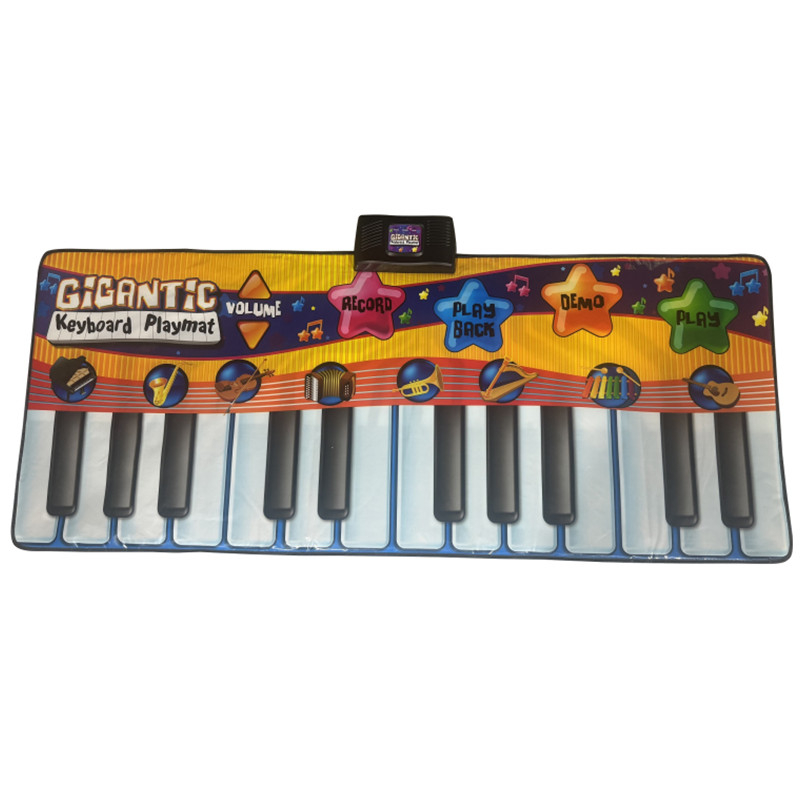
Selecting the right piano mat involves understanding the specific needs of different age groups. Each group has unique requirements that enhance their learning and play experience.
When choosing a piano mat for toddlers, safety is paramount. Look for mats made from non-toxic materials. This ensures that even if children put the mat in their mouths, they are safe. Sturdy construction is also essential to withstand the energetic play of young children.
Design Simplicity
Simplicity in design is another crucial factor. A toddler-friendly piano mat should have limited functions and bright colors to capture their attention. The keys should be large enough for small hands to press easily, promoting independent play.
Feature | Importance |
Safety Features | Non-toxic materials and sturdy construction |
Design | Bright colors and simple functions |
Surface Quality | Waterproof and tear-resistant for durability |
Waterproof and Tear-Resistant Surfaces
Moreover, consider mats that are waterproof and tear-resistant. Toddlers can be messy, and a waterproof surface makes cleaning simple. Tear-resistant materials ensure that the mat lasts through rough play, providing long-term use.
As children grow, their needs change. For kids aged 5 to 8, look for piano mats with educational features. These may include note labeling and app integration, which enhance learning through interactive play.
Durability and Sound Quality
Durability becomes even more critical at this age. Children are typically more active and may play with their mats more vigorously. High-quality sound production is also essential to ensure that the music sounds pleasant and engaging.
Adjustable Volume and Headphone Jacks
Explore options that include adjustable volume settings and headphone jacks. These features are particularly useful for shared living spaces, allowing children to enjoy music without disturbing others.
Feature | Benefits |
Educational Features | Note labeling and app integration |
Durability | High-quality materials withstand active play |
Sound Quality | Clear and engaging sound |
Volume Control | Adjustable settings for quieter play |
By understanding these features, parents can make informed decisions when selecting a piano mat. Choosing the right mat tailored to a child's age ensures a safe, engaging, and educational musical experience.
Incorporating a piano mat into your child's daily playtime can significantly boost their learning experience. Here are some creative ideas to make the most of this musical tool.
Musical Games
One fun way to use a piano mat is by incorporating musical games. For example, you can create a game where children must step on specific keys to play a song. This not only enhances their musical skills but also encourages listening and following instructions. You could also play a version of "Simon Says," where kids have to step on the right keys when prompted.
Dance Activities
Dance activities are another excellent way to engage children with a piano mat. Encourage them to dance while playing music, allowing them to express themselves creatively. You can play different genres of music and ask them to imitate the rhythm or style of dance that matches the sound. This physical engagement helps reinforce their understanding of rhythm and timing.
Consistent Timing for Play Sessions
Establishing a routine for play sessions is essential. Consistent timing helps strengthen neural pathways, making it easier for children to learn and remember musical concepts. Try setting aside a specific time each day for piano mat play, allowing children to develop a sense of structure and expectation around their musical learning.
Piano mats are not just for fun; they can also be powerful educational tools. Here’s how they can support music education effectively.
Supporting Music Education
Piano mats provide a hands-on approach to learning music. They allow children to explore notes, melodies, and rhythms in an engaging way. By stepping on different keys, children can learn about pitch and harmony while enjoying the process. This interactive experience promotes a deeper understanding of music fundamentals.
Educational Content through Apps
Many modern piano mats connect to apps that offer educational content. These apps often include lessons, games, and challenges that help reinforce what children learn while playing. For example, some apps provide tutorials that guide children through popular songs, helping them develop their skills progressively.
Educational Feature | Description |
Lesson Tutorials | Step-by-step guidance on playing songs |
Interactive Games | Fun challenges to reinforce musical concepts |
Progress Tracking | Monitor learning and skill development |
Recording Performances
Another exciting feature of app-connected piano mats is the ability to record performances. Children can listen to their own playing, which helps them identify areas for improvement. They can follow along with lessons and even share their performances with family and friends, boosting their confidence and motivation.
By integrating piano mats into daily activities and utilizing them for educational purposes, parents can create a rich learning environment. This approach not only fosters a love for music but also enhances cognitive and motor skills in young learners.
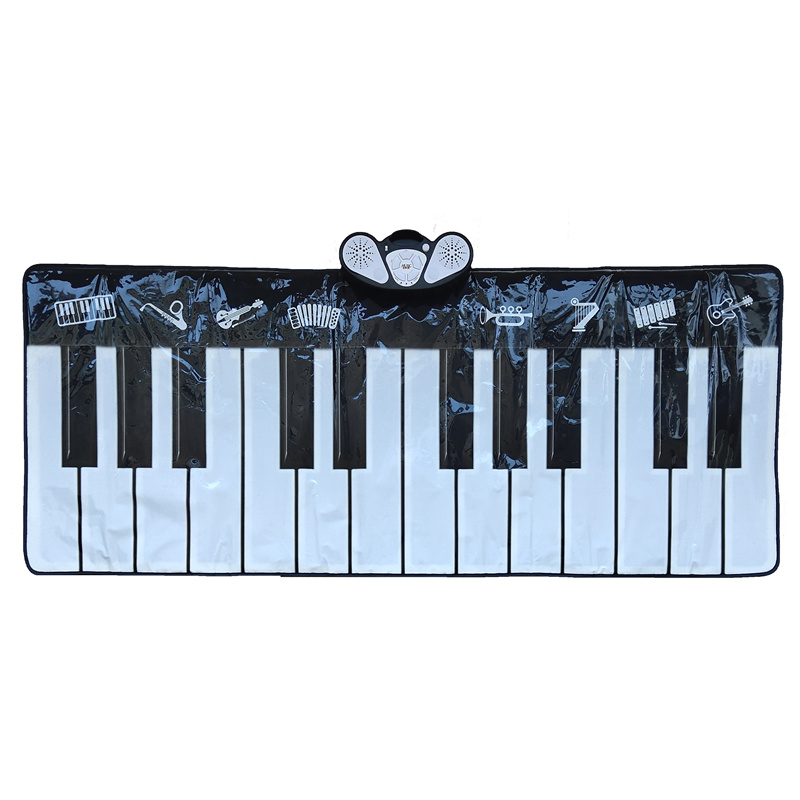
Safety is a top priority when it comes to children's toys, including piano mats. Ensuring that these mats meet safety standards is crucial for protecting young users. Look for certifications such as CPSIA (Consumer Product Safety Improvement Act) and ASTM F963, which indicate that the product has been tested for harmful substances and safety hazards.
Supervising Children During Play While piano mats are designed for safe play, supervision is essential. Here are some tips to keep in mind:
● Stay Nearby: Always supervise children while they are playing to ensure they use the mat correctly.
● Set Boundaries: Establish clear play areas to prevent accidents, especially if the mat is used on hard surfaces.
● Encourage Safe Play: Teach children to play gently and avoid jumping or running on the mat, which can lead to falls.
Regular Inspections Regularly inspecting the piano mat is vital for maintaining safety. Look for signs of wear and tear, such as:
● Tears or Holes: Check for any damage that could expose wiring or create tripping hazards.
● Loose Connections: Ensure that any electronic components are securely attached and functioning properly.
Inspection Checklist | Frequency |
Check for tears | Weekly |
Inspect wiring | Monthly |
Clean surface | After each play session |
Proper maintenance can significantly extend the life of a piano mat, ensuring it remains safe and functional for your child.
Cleaning and Storage Tips Cleaning the mat regularly is essential. Use a damp cloth with mild soap to wipe down the surface. Avoid harsh chemicals, as they can damage the material. After cleaning, make sure the mat is completely dry before storing it to prevent mildew.
When it comes to storage, consider the following:
● Roll, Don't Fold: Rolling the mat helps prevent creasing, which can affect the sensor lines and overall functionality.
● Store in a Cool, Dry Place: Keep the mat away from direct sunlight and moisture to prevent deterioration.
Regular Checks for Wear and Tear In addition to cleaning, conduct regular checks for wear and tear. Look for signs of fading colors or frayed edges, which may indicate that it’s time for a replacement.
Proper Storage to Prevent Creasing Storing the mat properly is crucial. Avoid placing heavy objects on top of it, as this can create permanent creases that interfere with the sensors. Instead, store it flat or rolled up in a designated area when not in use.
By taking these safety considerations into account, parents can ensure a safe and enjoyable experience for their children while using a piano mat. This proactive approach not only protects little ones but also enhances their learning and playtime.
Choosing the right age-appropriate piano mat is essential for children's development. Parents are encouraged to explore various musical options for their kids to foster creativity and learning. Introducing music early in life offers long-term benefits, enhancing cognitive and emotional growth. Wehand Toys provides unique piano mats designed for safety and fun, ensuring a valuable experience for young learners. We invite readers to share their experiences and ask questions about selecting the ideal piano mat for their child.
A: A piano mat is generally suitable for children aged 2 and up, as it promotes early musical exploration.
A: Always supervise playtime and check the piano mat regularly for any signs of wear or damage.
A: Look for large keys, bright colors, and sturdy construction to ensure safety and engagement for younger children.
A: Yes, a piano mat can introduce basic music concepts and enhance learning through interactive play.
A: Clean the piano mat with a damp cloth and mild soap, and store it rolled to prevent creasing.