
Please Choose Your Language
Views: 0 Author: Site Editor Publish Time: 2026-01-23 Origin: Site
Are you wondering when your child can start using a dance mat? Understanding the right age for a musical mat is crucial for safety and enjoyment. In this article, we'll explore age recommendations, key features to look for, and tips for enhancing your child's dance experience.
A dance mat, also known as a musical mat, is an interactive surface designed for children to dance and play. These mats often feature various sounds, lights, and patterns that respond to movement, making them engaging and fun. The primary purpose of a dance mat is to promote physical activity while enhancing coordination and rhythm in a playful environment.
Dance mats have evolved significantly over the years. Initially, they were simple pads that played music when stepped on. As technology advanced, these mats transformed into interactive devices with LED lights and complex sound systems. Here’s a quick look at their evolution:
Year | Development | Features Added |
1990s | Basic dance pads | Simple sound effects |
Early 2000s | Introduction of LED lights | Visual feedback to enhance engagement |
2010s | Advanced interactive mats | Customizable workouts and fitness games |
Present | Smart technology integration | Compatibility with gaming consoles and apps |
Today, dance mats are incredibly popular among children and families. They serve as a fantastic way to encourage kids to be active while having fun. Parents appreciate how these mats can turn exercise into an enjoyable activity, helping children develop essential motor skills.
Here are some reasons for their popularity:
● Engagement: The combination of music and lights captivates children’s attention.
● Social Interaction: Dance mats provide a platform for family bonding, as kids can dance together or compete in friendly challenges.
● Physical Benefits: Regular use promotes fitness, coordination, and rhythm, making it a valuable tool for early development.
In many households, dance mats have become a staple for playtime, blending entertainment and exercise seamlessly. As we explore age appropriateness later, it’s essential to recognize how these mats have become more than just toys; they are tools for learning and growth.
A musical mat is an interactive play surface designed to engage children through sound and movement. These mats often respond to kids' actions, creating an immersive experience that combines music and rhythm. The term "musical mat" typically refers to mats equipped with built-in speakers, sound effects, and lights, enhancing the overall play experience.
Musical mats come packed with features that make them irresistible to young users. Here are some standout elements:
● Sound Effects: Each step produces delightful sounds, from music to fun noises. This auditory feedback keeps children entertained and encourages them to keep moving.
● Interactive Elements: Many mats include lights that flash in response to movement. This visual stimulation not only captivates kids but also helps them follow the rhythm.
● Variety of Modes: Some musical mats offer different game modes, allowing children to choose between dancing, playing games, or following routines. This variety keeps playtime fresh and exciting.
Feature | Description |
Sound Effects | Engaging sounds that respond to movement |
LED Lights | Visual cues that enhance the dance experience |
Game Modes | Options for various activities and challenges |
Using a musical mat goes beyond mere fun; it offers numerous benefits for physical and cognitive development. Here’s how:
1. Physical Activity: Dancing on a musical mat encourages kids to be active, improving their cardiovascular health and promoting fitness in a playful way. This active engagement can help combat sedentary behaviors common in today’s digital age.
2. Motor Skill Development: As children dance and move, they enhance their coordination and balance. The rhythmic patterns encourage them to develop better footwork and agility, essential skills for various sports and activities.
3. Cognitive Growth: Musical mats stimulate cognitive skills by encouraging children to follow patterns and rhythms. This interaction fosters problem-solving abilities and enhances memory, as kids learn to anticipate sounds and movements.
Incorporating a musical mat into playtime can significantly enrich a child's development. It’s not just a toy; it’s a tool for learning, movement, and creativity, making it a fantastic addition to any home.
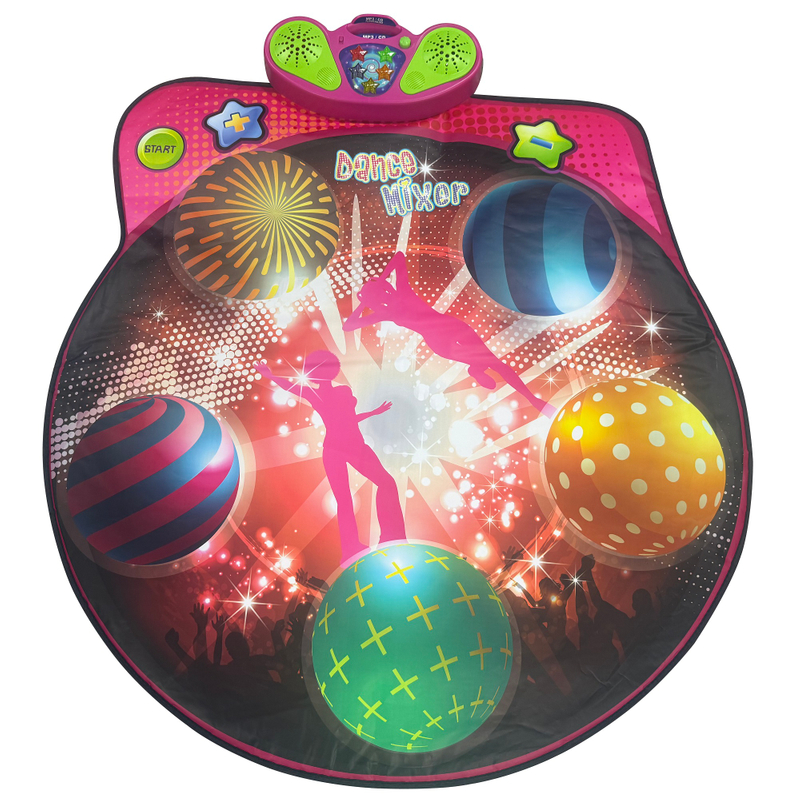
For young children aged 3 to 5, dance mats should feature simple modes and colorful designs. At this age, kids are drawn to bright colors and engaging sounds, making it essential for the mat to be visually stimulating. These mats often include basic dance demos and rhythm games that allow children to explore movement in a fun way.
Adult supervision is crucial during playtime. Young children may not fully understand safety precautions, so having an adult nearby ensures they can enjoy the mat safely. Here are some suitable activities for this age group:
● Basic Dance Demos: Encouraging children to mimic movements enhances their gross motor skills.
● Rhythm Games: Simple games that help them learn timing and coordination.
As children grow, their abilities and interests evolve. For kids aged 6 to 10, dance mats can offer more complex game modes and challenges. These features not only keep them engaged but also enhance their coordination and rhythm. The interactive elements of a musical mat can encourage cognitive development by requiring kids to think and react quickly.
Here are some suggestions for features that appeal to this age group:
● Multiplayer Modes: Allowing friends to join in on the fun promotes social interaction.
● Challenge Levels: Increasing difficulty levels help kids develop their skills progressively.
Dance mats aren’t just for kids; they can also cater to teens and adults. Many modern mats are designed with older users in mind, offering customizable workouts, including HIIT (High-Intensity Interval Training) routines. These mats can provide an engaging way to stay fit while enjoying music and movement.
Benefits of using dance mats for this age group include:
● Fitness: They offer an enjoyable way to exercise, making workouts less tedious.
● Social Activities: Teens can use them for group activities, fostering friendships through shared experiences.
Children’s motor skills and coordination develop at different rates. For younger children, it’s vital to choose mats with reinforced edges and cushioning to ensure safety during active play. This added protection helps prevent injuries as kids jump and dance around.
Understanding patterns and rhythms becomes more apparent as children grow. Dance mats can promote cognitive skills through rhythmic movement, helping kids learn timing and coordination. They encourage children to follow beats and sequences, enhancing their overall brain development.
Monitoring younger children is essential to prevent falls and injuries. Parents should ensure that the play area is safe and free from hazards. Additionally, it’s important to check that the materials used in dance mats meet safety standards, ensuring they are non-toxic and eco-friendly.
Age Group | Recommended Features | Safety Considerations |
3-5 Years | Simple modes, colorful designs | Adult supervision, reinforced edges |
6-10 Years | Multiplayer modes, challenge levels | Monitoring for falls, safe play area |
Teens & Adults | Customizable workouts, HIIT routines | Non-toxic materials, eco-friendly options |
By selecting the right musical mat for each age group, parents can ensure a safe and enjoyable experience for their children while promoting physical and cognitive development.
When selecting a musical mat for young children, it’s essential to prioritize safety and engagement. Look for mats that feature non-slip surfaces to prevent accidents during active play. Soft cushioning is also important, as it provides comfort and reduces the risk of injury when kids jump or fall. Durable materials ensure that the mat can withstand rough play without tearing or wearing out quickly.
Interactive LED light patterns are another fantastic feature for this age group. These lights not only add visual stimulation but also encourage children to move and dance, enhancing their overall experience. Here are the key features to consider:
● Non-slip surfaces: Essential for safety.
● Soft cushioning: Provides comfort and protection.
● Durable materials: Ensures longevity and safety.
● Interactive LED lights: Engages children and promotes movement.
As children grow older, their needs change. For older kids and teens, look for advanced features that enhance the play experience. Mats with multiple difficulty levels can challenge them and keep them engaged longer. These features allow users to progress at their own pace, making the experience more rewarding.
Interactive light patterns that respond to movement can also be a hit. They not only make the mat visually appealing but can also help improve coordination and rhythm. Additionally, consider mats that enhance grip to reduce slips and falls, especially during vigorous activity. Here’s a quick overview of important features:
Feature | Description |
Multiple Difficulty Levels | Allows progression and keeps users engaged |
Interactive Light Patterns | Enhances coordination and visual appeal |
Enhanced Grip | Reduces the risk of slips during play |
If you're looking for a dance mat for family use, versatility and ease of storage are key factors. Portable mats can be easily moved and stored away when not in use, making them ideal for families with limited space. On the other hand, permanent mats can provide a dedicated play area for ongoing fun.
Family-friendly designs often include features that encourage bonding. Look for mats that allow multiple users to play simultaneously, promoting teamwork and interaction. Here are some suggestions for family-friendly designs:
● Portable vs. Permanent: Choose based on available space and usage frequency.
● Multi-user Capability: Encourages family bonding and social interaction.
● Durability: Ensure it can withstand use by multiple children.
When selecting the right musical mat, consider products or brands that cater to different age ranges. For young children, mats from brands like Baby Einstein or Fisher-Price offer colorful designs with interactive features. For older kids and teens, brands like Step2 or Zumba provide more advanced mats designed for fitness and fun.
Here are some tips for selecting the best musical mat based on age and skill level:
● Durability: Ensure the mat is made from high-quality materials.
● Safety Features: Look for non-toxic, eco-friendly options.
● Skill Level: Choose a mat that offers appropriate challenges based on the user's abilities.
By considering these factors, you can find the perfect musical mat that suits your child's age and developmental stage, ensuring hours of fun and active play.
Interactive elements, such as lights and sounds, play a crucial role in engaging children with musical mats. These features create a dynamic environment where kids can explore movement in a fun and stimulating way. For example, when children step on specific areas of the mat, they trigger colorful lights and cheerful sounds, which encourages them to dance and move around. This interaction not only keeps them entertained but also helps develop their rhythm and coordination.
The benefits of these features go beyond mere entertainment. Engaging with the lights and sounds can significantly enhance a child's understanding of rhythm. As they mimic movements to the beat, they improve their timing and coordination skills. This kind of active learning is vital for their physical development. For older children, customizable workouts offer an exciting way to stay active. These mats can provide various routines that adapt to their skill level, ensuring they remain challenged and engaged.
Feature | Benefits |
Interactive Lights | Captivates attention and encourages movement |
Sound Effects | Enhances rhythm recognition and auditory skills |
Customizable Workouts | Keeps older kids engaged through varied challenges |
Dance mats can serve as a fantastic tool for encouraging family bonding through shared activities. There are numerous fun ideas for family activities using dance mats. Families can engage in friendly competitions or collaborate in dance routines, promoting teamwork and cooperation among family members.
Consider organizing themed dance parties at home. These gatherings can be a great way to celebrate birthdays or holidays, where everyone can showcase their dance moves. You could set up a family dance-off, where each member takes turns performing their best routines. This kind of interaction not only strengthens family ties but also creates lasting memories.
Here are some suggestions for family-friendly activities:
● Dance Competitions: Set up friendly contests to see who can follow the beat best.
● Collaborative Routines: Work together to create a family dance routine.
● Themed Dance Parties: Host events where everyone dresses up according to a theme, like '80s night or holiday dance-offs.
By incorporating these interactive features and family activities, musical mats can transform playtime into a rich experience that fosters learning, coordination, and family connection. The joy of dancing together can enhance relationships while promoting a healthy, active lifestyle for all ages.
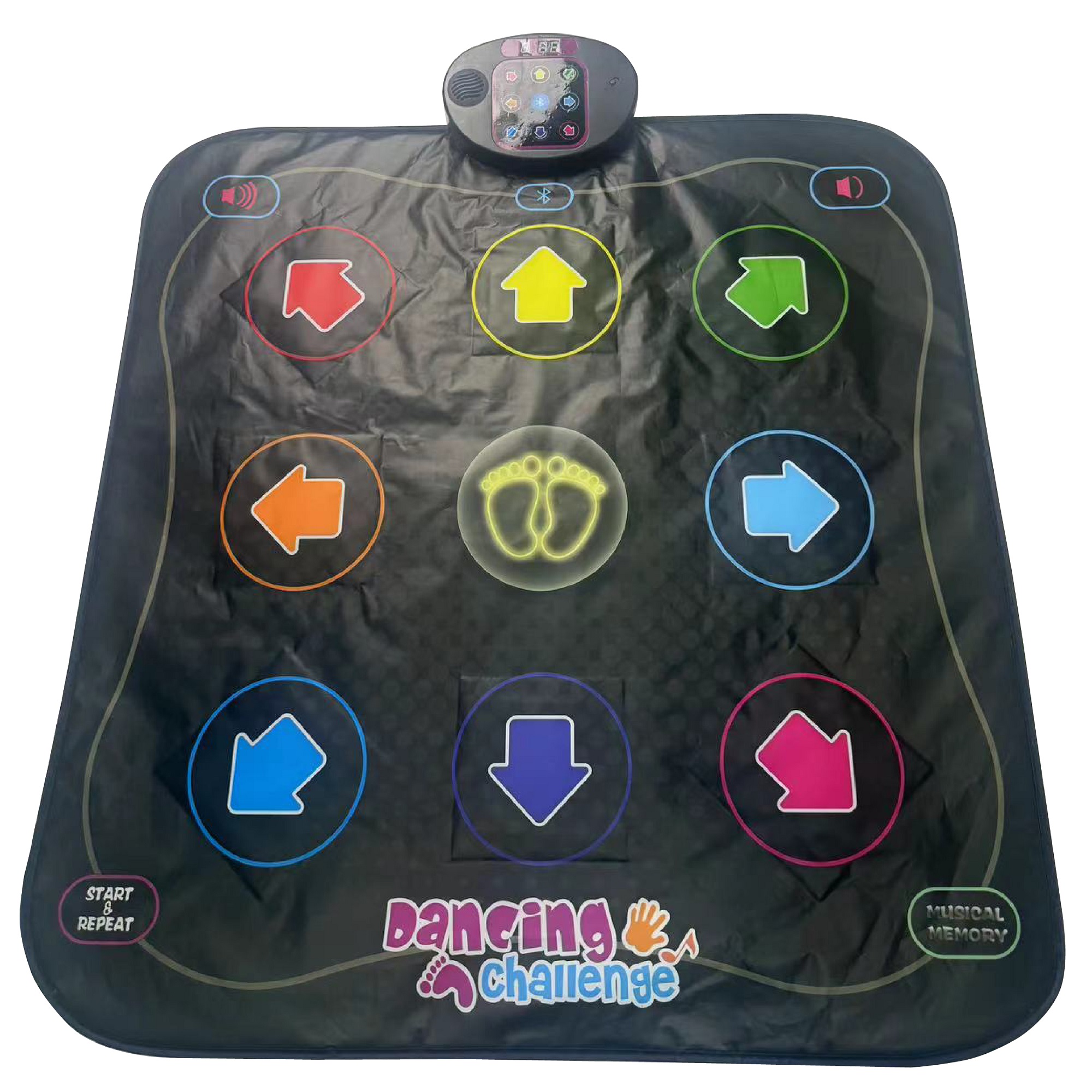
When it comes to using musical mats, safety is a top priority for all age groups. By following some general safety guidelines, you can ensure a fun and secure experience for everyone involved. Here are essential tips to keep in mind:
1. Choose the Right Surface: Ensure the mat is placed on a flat, stable surface. Avoid slippery floors, as they can increase the risk of falls.
2. Check for Damage: Regularly inspect the mat for any signs of wear and tear. A damaged mat can pose safety hazards, so it’s crucial to replace it if necessary.
3. Follow Manufacturer Guidelines: Always adhere to the age recommendations and usage instructions provided by the manufacturer. This ensures that the mat is used safely and effectively.
Guideline | Description |
Flat Surface | Prevents slips and falls |
Regular Inspections | Ensures the mat remains safe for use |
Manufacturer Instructions | Provides age-appropriate guidelines |
When younger children are using a musical mat, adult supervision becomes even more critical. Here are some specific tips for creating a safe play environment:
● Active Monitoring: Always supervise younger children while they play. This helps prevent accidents and ensures they are using the mat correctly.
● Set Boundaries: Clearly define the play area around the mat. Use furniture or other safe items to create a designated space, ensuring children don’t wander into hazardous areas.
● Explain Safety Rules: Teach children about safe play practices, such as not pushing or shoving each other while dancing. Reinforcing these rules helps them understand the importance of safety during playtime.
Creating a safe play area is essential for a positive experience with dance mats. Here are some recommendations to keep in mind:
● Ensure Enough Space: Make sure there is ample room around the mat to prevent collisions with furniture or walls. Ideally, there should be at least three feet of clear space on all sides.
● Remove Hazards: Clear the play area of any potential hazards, like sharp objects, loose rugs, or other tripping hazards. This creates a safer environment for active play.
● Use Non-Slip Mats: If the dance mat is placed on a slippery surface, consider using non-slip mats underneath to provide extra grip and stability.
By implementing these safety tips, you can create a fun and secure environment for everyone using the musical mat. Prioritizing safety not only enhances the experience but also allows everyone to enjoy the benefits of active play without unnecessary risks.
Choosing the right play mat is essential for safety and fun. A musical mat can enhance play experiences while promoting physical activity. These mats support child development through movement and rhythm. Wehand Toys offers high-quality musical mats that engage children and foster creativity. We encourage readers to share their experiences with dance mats and comment with any questions or tips. For purchasing recommendations, consider visiting Wehand Toys for unique products that provide exceptional value.
A: Musical mats are suitable for children aged 3 and up, as they help develop coordination and rhythm.
A: A musical mat enhances physical activity and encourages creative play, making it an excellent choice for young children.
A: Yes, look for non-slip surfaces and soft cushioning to ensure safety during play.
A: Consider your child's age, interests, and skill level when selecting a musical mat that fits their needs.
A: Absolutely! Many musical mats offer customizable workouts that engage older children and keep them active.
A: Prices for musical mats vary widely, typically ranging from $30 to $100, depending on features and brand.