
Please Choose Your Language
Views: 0 Author: Site Editor Publish Time: 2025-11-27 Origin: Site
Dancing mats are an innovative way for children and adults alike to enjoy fitness, rhythm practice, and interactive play. These mats provide a fun and engaging way to improve coordination, balance, and overall physical fitness. As more families seek interactive home fitness solutions, it’s important to know how to choose a dancing mat that offers the best combination of features, durability, and safety.
In this article, we’ll explore the top 5 features to look for in a quality dancing mat, helping you make an informed decision when purchasing one. Whether you’re looking for a mat for kids or adults, these features will ensure that the dancing mat is both enjoyable and beneficial for long-term use.
When choosing a dancing mat, durability is one of the most important factors to consider. A high-quality mat should be able to withstand frequent use, especially if it’s going to be used by children who are active and enjoy jumping, running, or dancing on it regularly. A durable mat will not only last longer but will also ensure that it maintains its functionality over time.
The materials used in a dancing mat play a significant role in its durability. High-quality mats are typically made from materials such as PVC (Polyvinyl Chloride), rubber, or non-toxic plastics, which are known for their resistance to wear and tear. These materials ensure that the mat remains intact even with constant use.
PVC: Lightweight, flexible, and easy to clean. It’s often used in dancing mats because of its resilience to scratches and wear.
Rubber: Highly durable, flexible, and resistant to slipping. It’s commonly used for the base of dancing mats to provide stability during use.
Non-toxic Plastics: Safe for children, resistant to harsh chemicals, and long-lasting under heavy use.
A good dancing mat should be able to handle heavy foot traffic and constant usage without showing signs of wear too quickly. Whether used by children or adults, frequent dancing, jumping, and stepping on the mat should not lead to cracks, frays, or a decrease in its performance.
Material | Durability | Benefits |
PVC | High durability, resistant to wear | Lightweight, flexible, easy to clean |
Rubber | Long-lasting, flexible, and sturdy | Non-slip, highly durable for active use |
Non-toxic Plastics | Safe, sturdy, and child-friendly | Safe for children, resistant to chemicals |
The safety of users is paramount, especially for children who may be running, jumping, or dancing on the mat. A non-slip surface ensures that the mat remains stable and does not slide around, preventing potential accidents. A slippery mat can cause injuries, particularly during fast movements or when kids are not paying attention.
To prevent accidents, dancing mats are typically designed with non-slip materials such as rubber, silicone, or textured surfaces. These materials provide the necessary grip to ensure that the mat stays in place, even during vigorous movements.
Rubber: Often used for the base layer, rubber provides excellent traction and is resistant to movement, ensuring the mat stays in place.
Silicone: Known for its soft feel and high grip, silicone mats are perfect for providing the necessary friction to avoid slipping.
Textured Surface: Some dancing mats come with a textured surface that provides additional grip. The texture prevents the feet from sliding when moving quickly, especially during dance routines.
Non-slip surfaces are essential not only for preventing the mat from sliding but also for improving the user experience. A secure footing ensures that users can focus on learning and practicing without worrying about slipping.
Surface Type | Effectiveness | Pros |
Textured Rubber | Excellent traction for active movements | Durable, easy to clean |
Silicone | High grip, ideal for fast movements | Soft feel, reduces slippage |
Foam Layer | Provides comfort and grip while dancing | Ideal for low-impact dancing |
The size of a dancing mat is a crucial consideration when choosing the right one. The mat should be large enough to accommodate the dancer's movements but small enough to fit in your available space. If you have limited room, a smaller, foldable mat might be ideal. Conversely, if you have more space and want to allow for larger dance movements, consider a bigger mat.
Different age groups require different mat sizes. For toddlers or young children, a smaller mat that fits their size and ability is ideal. Older children and adults will likely need a larger mat to allow for more dynamic and spacious movement.
Age Group | Recommended Size | Usage Tips |
Toddlers (1-3 years) | Small (3ft x 3ft) | Perfect for small spaces and beginners |
Children (4-8 years) | Medium (4ft x 5ft) | Suitable for home use and more freedom of movement |
Older Kids/Adults | Large (5ft x 6ft) | Ideal for more active play and group activities |
Portability is another key factor in choosing the right dancing mat. Many dancing mats are designed to be lightweight and foldable, making them easy to store when not in use. A portable mat is perfect for families who want to take it to different rooms, parks, or on trips.
The folding feature ensures that the mat can be easily tucked away without taking up too much storage space. This is especially beneficial for those with limited storage space at home.
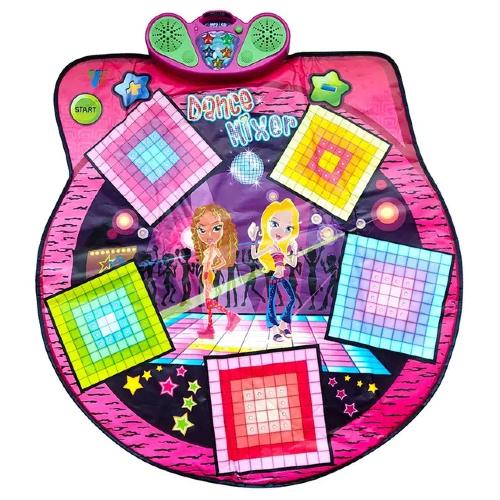
An essential feature to consider when buying a dancing mat is the ability to adjust the difficulty. The difficulty levels of a dancing mat allow it to grow with the user. Beginners can start with simple patterns and slower speeds, while more advanced users can challenge themselves with faster tempos and more complex patterns.
This feature is particularly beneficial for children, as it helps keep them engaged and motivated. As their skills improve, they can continue using the same mat, but at a more advanced level.
Most dancing mats offer several ways to adjust the difficulty:
Tempo Adjustment: Allows you to speed up or slow down the pace of the music and patterns to suit the user's ability.
Pattern Complexity: As children improve, the mat can offer more complicated patterns to follow.
Speed and Intensity: Some mats allow you to increase the challenge by speeding up the pattern or adding more steps.
With adjustable levels, children and adults alike can continue using the mat without outgrowing it. This adaptability ensures that the mat remains a fun and engaging challenge for users at every stage of their learning journey.
Adjustment Type | Benefit | Ideal For |
Tempo Adjustment | Changes the speed of music or movements | Kids who need slower or faster pacing |
Pattern Complexity | Adjusts the number of steps or complexity | Beginners to advanced dancers |
Speed and Intensity | Increases the challenge by speeding up patterns | Experienced users or older children |
Music plays a crucial role in keeping users engaged and helping them develop their sense of rhythm. A good dancing mat will feature built-in music that can be synchronized with the steps and movements of the player. Music provides a fun and motivating way to learn and practice rhythm and timing.
Most dancing mats offer customizable sound options. This includes the ability to adjust the volume and switch between different music tracks. Some mats even have sound effects or voice prompts that guide users through the dance routine, reinforcing correct movements.
Volume Control: Essential for creating a comfortable environment and for using the mat in different settings, such as at home, outdoors, or in a classroom.
Track Options: Some mats come with multiple music tracks or the ability to upload your own music. This feature adds variety and keeps the experience fresh.
Interactive Feedback: Some mats provide sound cues or even light-up features that offer immediate feedback when a user steps on the correct areas of the mat.
In addition to making the experience more enjoyable, music also enhances cognitive skills. For example, dancing to a beat helps children improve their timing, sequencing, and memory. As they follow along with the rhythm, they also develop a better understanding of pattern recognition and motor coordination.
Sound Feature | Description | Benefit |
Pre-programmed Tracks | Includes popular songs or educational tracks | Provides entertainment and motivation |
Volume Control | Allows control over sound level | Enables use in various environments |
Interactive Feedback | Sound cues that guide movements | Reinforces correct movements and rhythm |
In conclusion, when shopping for a dancing mat, it’s essential to focus on features that offer the most value. Key elements such as durability, non-slip surfaces, the right size, adjustable difficulty, and engaging sound options significantly enhance the user experience. These features not only ensure safety and comfort but also support the physical and cognitive development of users, whether for children or adults.
By choosing a dancing mat with these top 5 features, you’re investing in a high-quality product that promises hours of entertainment, fitness, and learning. If you’re looking for a reliable and customizable dancing mat, WEHAND TOYS MANUFACTURING CO., LTD. specializes in creating durable, fun, and educational mats that cater to all ages. Their years of expertise in producing interactive toys make them a trusted partner for families seeking high-quality fitness solutions. Contact them today to explore the perfect dancing mat for your needs and elevate your fitness journey.
1. What is the most important feature in a dancing mat for kids?
The most important features to look for are durability and safety, particularly a non-slip surface, to ensure the mat lasts and reduces the risk of accidents.
2. Can I adjust the difficulty of the dancing mat?
Yes, many dancing mats offer adjustable difficulty levels, allowing you to tailor the game to your child's skill level by altering the tempo, complexity, or speed.
3. What materials are best for a long-lasting dancing mat?
High-quality dancing mats are typically made from durable materials such as PVC, rubber, and non-toxic plastics. These materials provide both strength and comfort.
4. Are dancing mats suitable for small spaces?
Yes, you can find small, foldable dancing mats ideal for limited space, making them a perfect choice for apartments or rooms with limited storage.
5. How does music enhance the use of a dancing mat?
Music helps keep children engaged, teaches them rhythm, and motivates them to continue playing. Some mats even include educational tracks to further boost cognitive development.