
Please Choose Your Language
Views: 0 Author: Site Editor Publish Time: 2026-08-04 Origin: Site
Managing interactive floor technology in high-traffic, multi-use commercial spaces introduces significant operational friction. Facility managers and physical education teachers constantly battle the reality of rapid equipment deployment and retrieval. When dealing with electronic play equipment, improper storage directly causes sensor degradation, cable fraying, and an immediate loss of return on investment. Tightly folding a mat or tossing it into an unventilated bin breaks internal circuitry and traps moisture, leading to inevitable hardware failure. This guide provides facility managers, educators, and play center operators with an evidence-based framework for evaluating, selecting, and implementing scalable storage solutions. You will learn how to protect your interactive assets, maintain clear multi-purpose spaces, and extend the lifespan of every unit through proper handling protocols.
Successful storage in a commercial setting means achieving zero trip hazards, sub-3-minute deployment times, and zero equipment damage during stowage. When facilities fail to implement structured storage, the physical and operational consequences compound quickly. Without a dedicated system, staff often resort to stacking units in corners or shoving them into multi-purpose closets, which immediately compromises the structural integrity of the equipment.
Internal wiring and pressure sensors bear the brunt of improper handling. When staff tightly fold a Kids Dance Mat rather than rolling it, the sharp creases create mechanical stress points. Over time, these creases sever the conductive pathways embedded within the PVC or EVA foam layers. The sensors rely on continuous electrical loops to register footfalls accurately. Snapping these loops results in permanent dead zones.
Unconditioned storage closets present another major threat. Extreme temperature fluctuations and high humidity during summer and winter breaks cause foam layers to warp, expand, and contract. This environmental stress degrades the adhesive bonding the sensor layers together. When the adhesive fails, the layers separate, causing ghost inputs or complete unresponsiveness. Storing mats near heating vents or exterior walls lacking proper insulation accelerates this material breakdown.
Floor space remains at a premium in school gymnasiums, daycare centers, and active play zones. Storing multiple units requires a strategic footprint analysis. Leaving mats stacked haphazardly in corners consumes valuable square footage needed for other activities. Facilities must evaluate vertical storage or mobile solutions that allow the room to transition rapidly from a digital active zone to a traditional sports court without bottlenecking the transition period.
Effective space utilization requires mapping out the exact dimensions of the rolled or flat-stacked mats and comparing them against the available storage footprint. Facility managers should measure the turning radius required for mobile carts and ensure that permanent wall racks do not interfere with bleacher deployment or emergency exit routes.
Improperly stowed equipment creates immediate compliance issues. ADA guidelines and local fire codes strictly mandate clear egress paths. An unanchored storage rack or an indoor activity dance mat left protruding into a hallway violates these safety regulations. Furthermore, trailing cables and loose power adapters introduce severe tripping liabilities.
Shared facilities also face physical security concerns. Without lockable storage, equipment shrinkage and unauthorized tampering by students after hours become inevitable realities. Implementing a secure storage protocol involves several distinct steps:
Institutional procurement requires comparing different infrastructure options based on space, mobility, and security needs. Facility managers must weigh the physical limitations of their buildings against the operational requirements of their staff.
| Storage Type | Primary Advantage | Main Drawback | Key Evaluation Metric |
|---|---|---|---|
| Wall-Mounted Racks | Maximizes vertical space | Requires permanent installation | Weight capacity per prong |
| Mobile Carts | High mobility for deployment | Consumes floor footprint | Wheel durability (polyurethane) |
| Lockable Cabinets | Maximum security and protection | Lacks rapid visual inspection | Ventilation grate placement |
| Flat-Stack Shelving | Zero bending stress on sensors | Requires massive floor space | Shelf span and deflection limit |
Wall-mounted systems maximize vertical space and keep equipment completely off the floor. This approach keeps the room visually organized and facilitates easy floor cleaning. However, installing these racks requires a thorough load-bearing wall assessment. Permanent installation means the room layout becomes fixed, which might create bottlenecks during class transitions if all students rush to one wall simultaneously.
When evaluating wall racks, measure the weight capacity per prong and the distance between brackets to ensure the mats do not sag over time. Use heavy-duty toggle bolts for metal studs or lag screws for wood studs. Never mount heavy racking systems directly to drywall without structural backing, as the dynamic load of staff pulling mats off the rack will eventually rip the anchors out of the wall.
Mobile carts offer high mobility, allowing staff to roll the equipment directly to the activity zone. This scalability suits facilities that share equipment across multiple classrooms. The primary downside is the floor space the cart consumes when not in use. Safety also demands locking casters to prevent the cart from rolling during loading.
Evaluate mobile solutions based on wheel durability. Favor heavy-duty polyurethane casters over standard plastic, as polyurethane absorbs shock and rolls smoothly over gym floor transitions without leaving scuff marks. Look for compartmentalization that separates individual mats, preventing them from crushing each other during transport.
Lockable cabinets provide the highest level of security against theft and vandalism while offering excellent dust protection. Many modern cabinets also feature centralized charging capabilities. The trade-off involves a larger physical footprint and the inability to perform rapid visual inspections of the inventory.
When selecting cabinets, prioritize models with strategic ventilation grate placement to allow airflow. Require anchor-to-wall safety kits to prevent tipping. Cabinets should feature reinforced steel doors and tamper-proof hinges to withstand the rigors of a commercial environment.
Technical consensus dictates that flat-stacking preserves sensor health best, as it eliminates all bending stress. However, flat-stacking multiple large mats proves highly impractical for most facilities due to the massive floor space required. Rolling emerges as the optimal compromise.
To execute rolling safely, staff must never exceed the material's minimum bend radius. Roll the mat loosely, securing it with soft velcro straps rather than tight bungee cords, ensuring the internal circuitry remains intact. Never stack heavy objects on top of rolled mats, as this compresses the foam and damages the sensors.
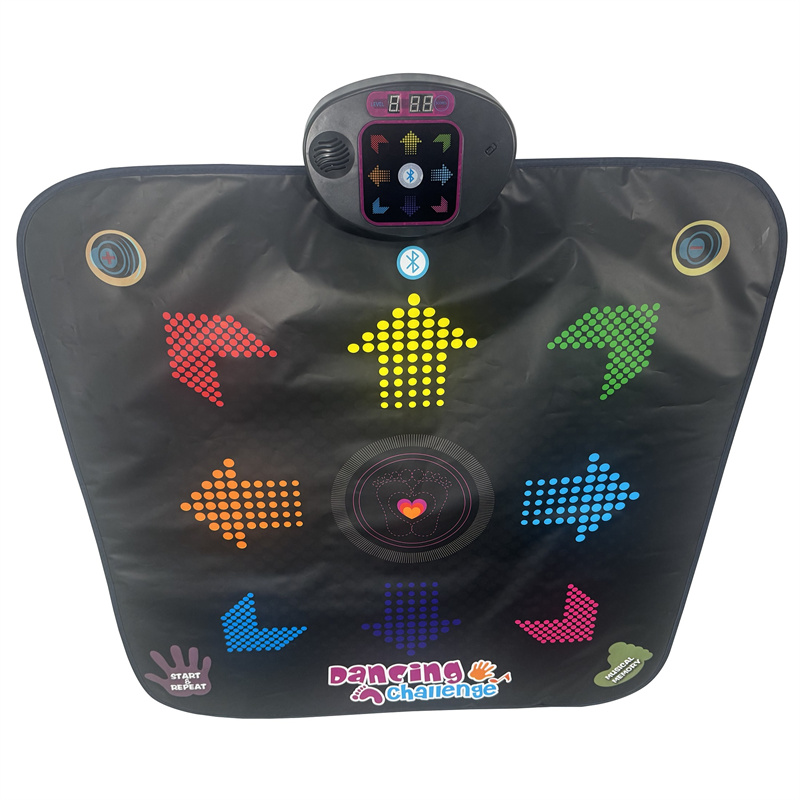
Mapping specific storage features to operational outcomes ensures the longevity of your interactive equipment. The right infrastructure prevents the most common types of hardware failure and streamlines the daily workflow for facility staff.
Improper cable storage accounts for the vast majority of equipment failures. Storage solutions must feature dedicated routing channels, velcro ties, or separate bins specifically for AV cables and power adapters. Wrapping cables tightly around the mat strains the connection ports and frays the internal copper wiring.
For wireless units, evaluate integration pathways for multi-port USB or power strips within mobile carts. This allows simultaneous charging of the mats while stowed, ensuring they are ready for the next session. Ensure the charging station includes surge protection and adequate spacing between power bricks to prevent overheating.
Closed plastic bins trap sweat, ambient humidity, and residual cleaning chemicals. This trapped moisture breeds mold and accelerates the breakdown of foam and PVC materials. Storage infrastructure must facilitate passive airflow.
Recommend wire mesh siding, slotted shelving, or breathable canvas covers over solid plastic containers to maintain a dry environment. If storing mats in a humid climate, consider adding reusable silica gel desiccants to the storage compartments to absorb excess moisture.
Educators and facility staff face physical strain when repeatedly lifting heavy commercial mats. Storage systems must account for ergonomics. Racking systems should adhere to OSHA ergonomic guidelines, keeping the heaviest equipment stored between knee and chest height. Avoid systems that require staff to lift bulky mats over their heads, which increases the risk of workplace injury and accidental equipment drops.
Many facilities procure consumer-grade equipment for institutional use. Managing these units requires specific adaptations to survive high-volume environments, as they lack the robust construction of purpose-built commercial gear.
A standard family dance game mat features thinner materials, less robust cable housing, and often relies on standard batteries rather than commercial rechargeable packs. These structural differences make them highly vulnerable in shared storage.
To mitigate damage, utilize rigid protective sleeves before placing them on racks. Alternatively, assign dedicated flat-drawers for these consumer units to prevent them from being crushed under heavier commercial gear. Reinforce the cable connection points with heat-shrink tubing to provide extra strain relief during frequent plugging and unplugging.
Manufacturers often void consumer warranties when their products are deployed in commercial or institutional settings. Improper institutional storage accelerates this risk. To maintain vendor relationships and support potential warranty claims, strictly document your storage protocols.
Prove that the facility adheres to the manufacturer's specific bending, rolling, and temperature guidelines. Keep a maintenance log detailing cleaning schedules, storage conditions, and any repairs performed. This documentation provides leverage if a unit fails prematurely due to a manufacturing defect rather than improper handling.
Even the best storage infrastructure fails without proper human management. Establishing clear operational routines protects the equipment investment and ensures consistent performance across all user groups.
Facilities must implement a standardized pack-down routine. The sequence should always be: disconnect power, wipe down surfaces, dry completely, roll loosely, and stow securely. Attach laminated visual aids and checklists directly to the storage unit. This ensures that rotating staff members, substitute teachers, or volunteers follow the exact same protocol every time.
Conduct hands-on training sessions at the beginning of each semester or operational quarter. Demonstrate the correct way to roll the mats without exceeding the bend radius. Show staff how to coil cables using the over-under method to prevent kinks and internal wire breakage.
Applying harsh school disinfectants directly to mat surfaces degrades the protective slip-resistant coating. Staff must understand the chemical interactions between common cleaners and PVC/EVA materials. Use only approved, non-abrasive cleaners.
More importantly, mandate complete drying before storage. Stowing a damp mat leads to electrical shorts in the connection ports and causes the internal adhesive layers to separate. Use microfiber towels to thoroughly dry the surface, paying special attention to the seams and connector housings where water tends to pool.
Establish a rapid 30-second testing protocol during retrieval. Staff should visually inspect cables for fraying and perform a quick power-on test to identify damaged sensors before the students arrive. Catching a dead zone or a faulty power supply prior to a class session prevents disruption and allows for immediate swapping of the unit.
Keep a small bin of spare parts, including extra AV cables, power adapters, and velcro ties, attached to the main storage unit. This allows staff to resolve minor hardware issues on the spot without abandoning the planned activity.
Proper storage requires an initial capital outlay, but the operational analysis heavily favors this investment. Purchasing a dedicated, ventilated mobile storage cart prevents the need to replace multiple damaged mats annually. Treat storage infrastructure as an insurance policy on the primary hardware investment; protecting the mats from crushing, moisture, and cable strain yields a significantly higher operational lifespan and reduces unexpected downtime.
Selecting the optimal storage solution depends entirely on your facility's available footprint, security requirements, and staff-to-student ratio. Mobile carts serve shared and rotating classrooms best, while lockable cabinets provide necessary security for public play centers. Wall-mounted racks suit dedicated AV rooms, and flat-stacking shelving remains the gold standard for high-end, rigid-sensor mats.
A: Always adhere to the manufacturer's minimum bend radius. Avoid sharp folds or hard creases, which snap internal wiring. Roll the mat loosely and secure it with soft velcro straps rather than tight cords to maintain sensor integrity.
A: Hard-creasing a mat damages the internal circuitry. While some mats allow for soft-folding along designated seams, rolling is generally the preferred and safer method for soft mats to prevent mechanical stress on the sensors.
A: Use non-abrasive, alcohol-free wipes or a damp cloth with mild soap. Avoid harsh chemical disinfectants that degrade the surface. You must allow the mat to air-dry completely before rolling it to prevent mold and electrical shorts.
A: Yes, provided they are installed correctly. Wall racks require a structural load-bearing assessment. You must use heavy-duty drywall anchors or mount the brackets directly into wall studs to safely support the weight of commercial mats.
A: Detach all removable power and AV cables before storage. Never wrap cables tightly around the mat itself, as this strains the ports. Use localized velcro ties and store cables in dedicated bins or routing channels.
A: Yes. Many modern mobile storage carts can be retrofitted or purchased with integrated multi-port USB power stations. This allows staff to plug in the mats safely while they remain stowed and ventilated.