
Please Choose Your Language
Views: 0 Author: Site Editor Publish Time: 2026-01-26 Origin: Site
Are you considering whether a play mat is right for your toddler? Play mats serve as safe, engaging spaces for little ones to explore. Among these, musical mats offer unique benefits that can enhance sensory development. In this article, we’ll explore the advantages of play mats, focusing on the exciting features of musical mats for toddlers.
A play mat is a designated area designed for toddlers to play safely and comfortably. These mats come in various types, including fabric, foam, and the increasingly popular musical mats. Each type serves a specific purpose and offers unique benefits.
● Fabric Mats: Soft and portable, these mats are great for newborns. They often feature colorful designs and textures to engage babies.
● Foam Mats: Thicker and firmer, foam mats provide excellent cushioning for toddlers who are learning to crawl and walk. They are ideal for active play.
● Musical Mats: These mats incorporate sound features that can stimulate auditory senses. They encourage movement and interaction, making playtime more engaging.
The materials used in play mats are crucial for safety. Most mats are made from non-toxic and hypoallergenic materials, ensuring a safe environment for toddlers. Parents can find mats that meet safety certifications, such as OEKO-TEX®, which guarantees they are free from harmful substances.
Play mats offer numerous benefits that support toddlers' growth and development. They create a safe space for exploration, enabling children to learn and play without the risk of injury.
One of the primary advantages of play mats is their soft surface. This feature protects toddlers from falls, which are common during play. Additionally, play mats are designed with hygiene in mind. They are easy to clean, allowing parents to maintain a healthy play environment. Their portability makes them versatile, suitable for use in various settings, whether at home or on the go.
Feature | Benefits |
Soft Surface | Protects against falls |
Hygiene | Easy to clean and maintain |
Portability | Convenient for use in different environments |
Optimal Padding | Ensures safety during playtime |
Play mats play a significant role in supporting toddlers' developmental milestones. They promote motor skills through activities like crawling and walking. The interactive features of many mats, such as colors, textures, and sounds, engage toddlers cognitively, encouraging them to explore and learn.
Social play opportunities arise when toddlers use play mats together. This interaction helps them develop essential social skills. Additionally, play mats enhance fine motor skills as toddlers manipulate toys and engage with the mat's features.
Musical mats are a unique category of play mats that offer additional sensory benefits. These mats produce sounds when toddlers step on them, providing auditory stimulation that is crucial in early childhood development.
Musical mats not only encourage movement but also enhance coordination as toddlers dance or move to the sounds. The combination of music and physical activity can significantly enrich a child's play experience.
Incorporating musical elements into playtime fosters a love for music and rhythm, laying the groundwork for further exploration of sound and movement as they grow.
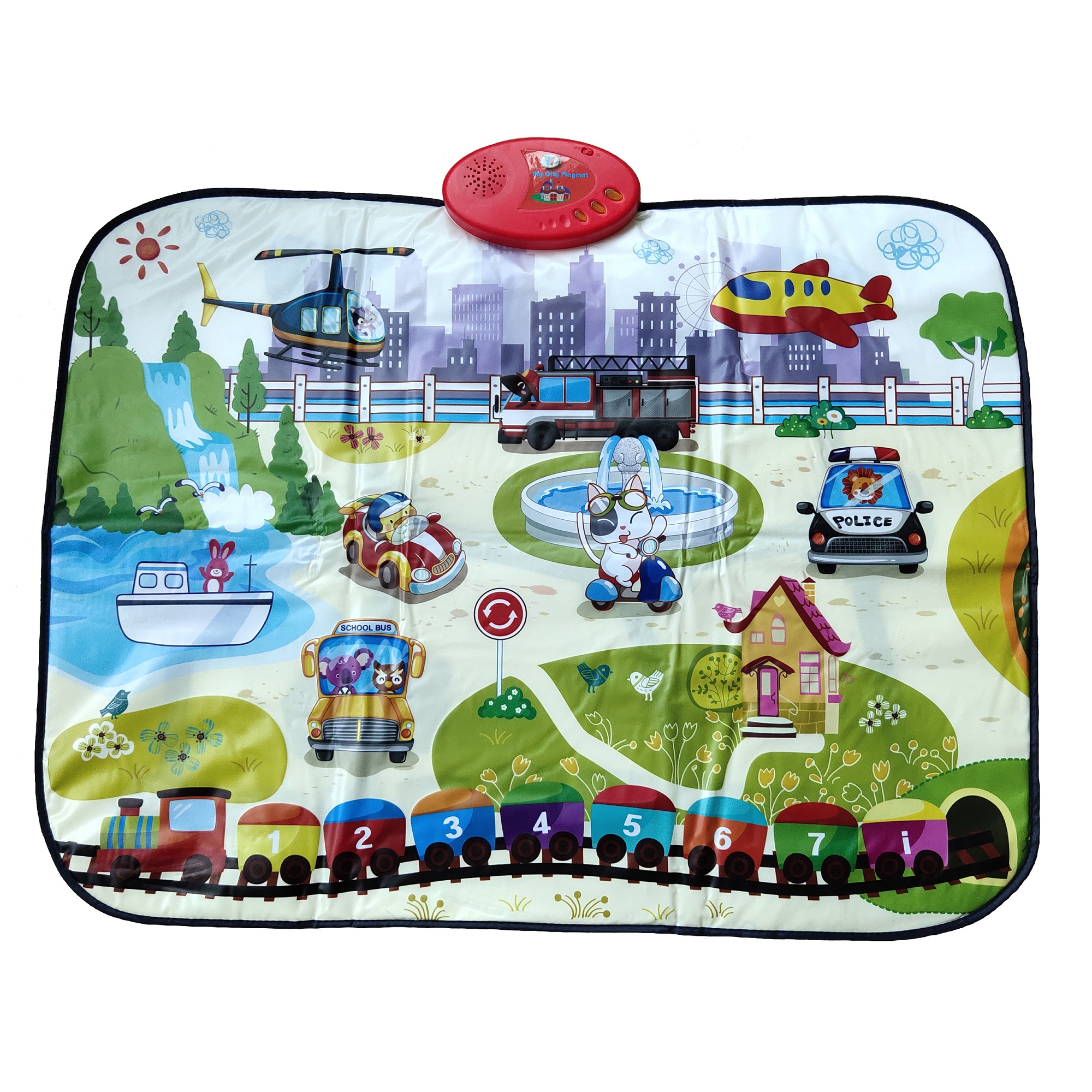
Selecting the perfect play mat for your toddler involves several important factors. Each aspect contributes to the overall safety, comfort, and enjoyment of playtime. Here’s what to consider when making your choice.
When it comes to toddlers, safety is paramount. Choosing non-toxic materials is essential. Look for play mats made from safe substances that won't harm your child. Certifications like OEKO-TEX® can help you identify products that meet stringent safety standards. This certification ensures the mat is free from harmful chemicals, providing peace of mind for parents.
Certification | Description |
OEKO-TEX® | Tests for harmful substances in textiles |
BPA-Free | Indicates no bisphenol A, a harmful chemical |
Phthalate-Free | Ensures no phthalates, which can affect health |
By avoiding materials that contain harmful chemicals, you ensure a safe environment for your toddler to play and explore. Always check labels and product descriptions to confirm safety features.
The size of the play mat is another critical factor. Consider the available space in your home. A larger mat provides ample room for active play as your toddler grows. It allows for various activities, whether they are crawling, sitting, or playing with toys.
Thickness is equally important. A thicker mat offers better cushioning, which is crucial for preventing injuries during falls. It helps absorb impact, making playtime safer. For toddlers who are more active, a thicker mat can provide the necessary support for their growing bodies.
Size Recommendation | Description |
Small (100x140 cm) | Suitable for small spaces or travel |
Medium (140x200 cm) | Ideal for living rooms or playrooms |
Large (200x200 cm) | Best for active play and group activities |
The design of the play mat can significantly influence your toddler's interest and engagement. Look for engaging designs that attract their attention. Bright colors, fun patterns, and interactive elements can make playtime more enjoyable.
Additionally, consider options that fit your home decor. Many parents prefer mats that blend seamlessly into their living spaces. Selecting calming yet stimulating designs can create a pleasant atmosphere for both toddlers and adults.
Here are some popular design features to consider:
● Animal Themes: These can spark imagination and storytelling.
● Geometric Patterns: These often promote visual interest and can help with shape recognition.
● Nature Scenes: These designs can be calming and educational.
By choosing a mat that appeals to your child's senses, you encourage longer and more engaged play sessions. A well-designed mat not only serves its purpose but also enhances your home’s aesthetic.
When you keep these factors in mind, finding the right play mat for your toddler becomes a rewarding experience. A well-chosen mat can foster safety, comfort, and fun during playtime.
Play mats play a crucial role in the development of toddlers, providing a safe and stimulating environment for growth. They are not just for fun; these mats support various developmental milestones as children grow. Let's explore how play mats benefit toddlers at different stages.
During the first three years of life, play mats are essential for healthy development. One of the most important activities for infants is tummy time. This practice encourages babies to lift their heads and strengthen their neck and shoulder muscles. A soft play mat provides a safe space for this crucial activity, allowing them to explore their surroundings.
Engaging with different textures and sounds on a play mat enhances sensory exploration. Many mats feature various materials, such as crinkly fabrics or plush surfaces, that intrigue babies. Musical mats, in particular, introduce sounds that stimulate auditory senses. This combination of tactile and auditory experiences helps develop cognitive skills from an early age.
Developmental Benefit | Description |
Motor Development | Encourages crawling and reaching |
Sensory Stimulation | Engages touch and hearing through textures and sounds |
Social Interaction | Provides opportunities for parents and caregivers to engage |
As toddlers begin to crawl and walk, play mats stimulate motor development. The safe, cushioned surface allows them to practice these new skills without the fear of injury. By providing a designated space for movement, play mats encourage physical activity essential for overall growth.
As children transition into the preschool years, play mats continue to support their development in new ways. At this stage, imaginative play becomes increasingly important. Musical mats can enhance this experience by providing sound effects that inspire creativity. For example, a mat that plays animal sounds can encourage role-playing and storytelling.
Play mats also facilitate group play, allowing toddlers to interact with peers. This social interaction is vital for developing communication skills and learning to share. When children play together on a mat, they engage in cooperative games, which foster teamwork and friendship.
Activity | Benefits |
Imaginative Play | Sparks creativity and storytelling |
Group Interaction | Enhances social skills through sharing and cooperation |
Multi-Use Functionality | Suitable for reading, napping, and other activities |
Beyond just play, these mats serve multiple purposes. They can be used for reading, napping, or even arts and crafts. The versatility of play mats makes them a valuable addition to any child's play area, providing a comfortable space for various activities.
In summary, play mats are instrumental in supporting toddlers' development, from the early years through preschool. They offer a safe, engaging environment that promotes physical, cognitive, and social growth, helping children thrive as they explore and learn.
Play mats are not just a safe space for toddlers to play; they can also be powerful tools for learning and development. By integrating educational activities, fostering creativity, and supporting physical activity, play mats, especially musical mats, can enrich a child's early experiences.
Play mats provide an excellent platform for educational games and activities. For instance, you can create fun learning experiences by using mats that feature numbers, letters, or shapes. Here are some engaging ideas to incorporate into playtime:
● Color Sorting Game: Use colorful mats to teach toddlers about colors. Place toys of different colors on corresponding sections of the mat, encouraging them to match items based on color recognition.
● Shape Hunt: If the mat has various shapes printed on it, prompt children to find toys that match those shapes. This activity promotes shape recognition while keeping play interactive.
● Number Games: Use the mat to introduce basic counting. Ask toddlers to hop on numbers as they count aloud, combining physical activity with learning.
Activity Type | Description | Benefits |
Color Sorting | Match toys to colors on the mat | Enhances color recognition |
Shape Hunt | Find toys that match shapes on the mat | Develops shape identification |
Number Games | Count and hop on numbers | Encourages counting and physical coordination |
By blending play with educational experiences, you create an environment where learning feels natural and enjoyable.
Play mats also play a vital role in fostering creativity and imagination. They serve as a canvas for toddlers to engage in imaginative play scenarios. For example, a mat designed like a cityscape can inspire children to create stories about their adventures in a bustling town.
● Storytelling: Encourage toddlers to come up with stories based on the design of the mat. This activity not only boosts their creativity but also enhances language skills as they articulate their thoughts.
● Role-Playing: Musical mats can add an exciting dimension to role-playing. For instance, a mat that plays sounds related to a jungle can encourage children to pretend they are exploring the wild, enhancing their imaginative play.
The sounds from musical mats can enhance creative expression. When toddlers step on different areas, they create music that can inspire dance or movement, allowing them to express themselves in new ways.
Active play is crucial for toddlers' physical development, and play mats facilitate movement and exploration. These mats provide a safe surface for various activities, encouraging children to crawl, walk, or dance freely.
● Movement Exploration: Play mats can be used for activities like obstacle courses, where toddlers navigate through different sections. This promotes gross motor skills and coordination.
● Dance and Movement: Musical mats, in particular, encourage toddlers to move rhythmically. The sounds and music stimulate them to dance, jump, and explore different movements, enhancing their physical fitness.
Physical Activity | Description | Impact on Development |
Obstacle Courses | Navigate through sections of the mat | Improves coordination and gross motor skills |
Dance and Movement | Move to the rhythm of musical mats | Encourages physical fitness and self-expression |
By incorporating physical activity into playtime, play mats help toddlers develop essential motor skills while having fun. The combination of movement and music creates an engaging atmosphere that promotes overall well-being.
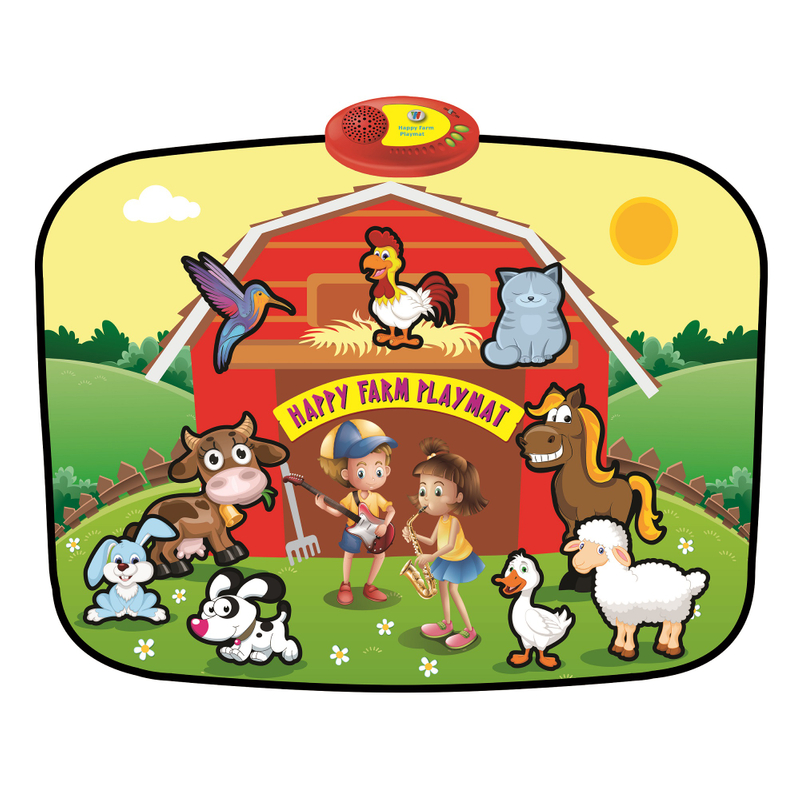
Play mats, especially musical mats, offer numerous benefits for toddlers. They provide a safe space for play, promote learning, and encourage physical activity. Investing in a quality play mat supports developmental milestones and enhances safety during playtime. For parents seeking the best options, Wehand Toys offers unique products that combine fun and functionality. Their mats are designed to enrich your child's play experience while ensuring safety and comfort. Explore Wehand Toys to find the perfect play mat for your toddler's needs.
A: Play mats provide a safe, cushioned area for toddlers to play. They encourage motor skills development and sensory exploration.
A: A musical mat is a type of play mat that produces sounds when stepped on. It enhances auditory stimulation and encourages movement.
A: You can use a musical mat to teach colors and numbers through interactive play. It makes learning fun and engaging for toddlers.
A: Most play mats, including musical mats, are designed with safety in mind. Look for mats that are non-toxic and free of sharp edges.
A: Quality play mats typically range from $30 to $100, depending on features like size and whether they are musical mats. Investing in a good one offers long-term benefits.